(download as a pdf - 682kb)
There are hundreds of dressings on the market, each company informing you that their product is the best. And as dressings become more complex they also become more expensive. Despite the complexity and the expense, there is no single dressing suitable for all wounds. Dressing selection comes down to what your wound is like, what your patient prefers/can tolerate and what you have access to.
First you need to consider what it is you want from a dressing. Consider:
|
|
It’s also important to understand the difference between Generic dressing types and brand names. Dressing charts from individual companies will list the products by their brand name, but non-brand-specific charts (such as the NHS Formulary and the tables within this document) will use their Generic Names. By understanding the generic types and what they do you can apply that knowledge to any company’s products. Some of the generic names are:
|
There can also be combinations of these dressings where manufacturer’s are attempting to combine the benefits of different materials, such as combining a tulle gras with an antimicrobial to make an antimicrobial, non-stick dressing – Atrauman Ag, Bactigras, Inadine. Knowing, however, that each of these is still a tulle gras will inform the clinician that no matter which one is chosen it will not absorb exudate, will require a secondary dressing and may promote hypergranulation.
The following table helps to explain the different strengths and weaknesses of the various generic dressing types. It does not tell you what to use, but it does give you the strengths and weaknesses of the dressings you may have to choose from. There is also a dressing selection grid in Appendix A that may be useful.
| These are slightly absorbent non-adherent pads that can have a cloth or film an adhesive cover. These are often used to protect surgical incisions or recently healed wounds. While these are low adherent, there is still a chance they will stick to the wound, particularly if there has been bleeding which has since dried. Adhesive removers should be used to ensure the removal of the cloth tape without damaging the surrounding skin. | 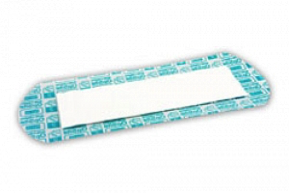 | |||
| Examples | Indications | Advantages | Disadvantages | Contraindications |
|---|---|---|---|---|
Primapore | Acute surgical incisions. | Cheap | Unable to absorb high amounts of exudate | Moderate to highly exudating wounds |
| Films are semi-permeable, thin, adhesive, transparent polyurethane film dressings. These are most often used to secure intravenous devices. These allow water vapor and gas to escape but do not allow water to enter. Can be used as a secondary dressing to make the primary dressing “water-proof”. Do not put tension on the skin when applying as this can result in tension blisters. When removing, gently stretch the dressing, this will break the adhesive bond making easier to remove without causing trauma to the surrounding skin. | 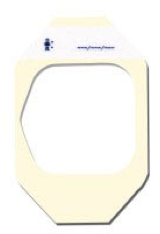 | |||
| Examples | Indications | Advantages | Disadvantages | Contraindications |
|---|---|---|---|---|
| OpSite Tegaderm | Superficial wounds | Some moisture evaporation | Exudate may pool | Moderate to high exudative wounds. |
| A cotton, rayon, mesh, viscose or gauze open weave material that has been impregnated with paraffin or similar non-adherent, they are also known as Tulle Gras dressings. The paraffin assists in keeping the area moist, so it is good for skin grafts and assisting in re-epithelialization. Mainly these are used to reduce adherence to the wound bed. They do require a secondary dressing | 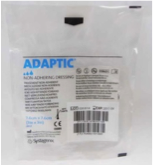 | |||
| Examples | Indications | Advantages | Disadvantages | Contraindications |
|---|---|---|---|---|
Jelonet | Wounds healing by secondary intention | Reduces adhesion to wound. Moist environment aids healing. | Does not absorb exudate | Allergy to paraffin products |
| Non adherent, dry, thin perforated plastic film coating attached to an absorbent pad. These are not non-stick, if there is bleeding/exudate that has dried these WILL stick to the wound bed. They are used the same as the island dressings (and are often the “island” in the middle of the adhesive). These can also be a low absorbent secondary dressing. If, however, you are worried about sticking to and tearing skin, perhaps consider a silicon dressing. | 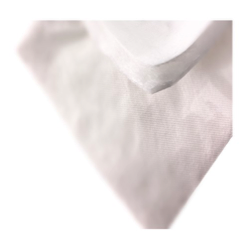 | |||
| Examples | Indications | Advantages | Disadvantages | Contraindications |
|---|---|---|---|---|
Melolin | Wounds with moderate exudates Epidermal wounds or wounds healing by primary intention | Cheap | Not suitable in high exudate and can macerate surrounding skin | Dry wounds (may cause tissue dehydration) |
| There is a broad variety of absorbent inner materials as well as coverings. The inner materials can vary from simple cotton to alginates to high absorbency gels that lock away large amounts of fluid. The outer coverings can also be simple fabric (like a combine) to complex low-adherent or hydrophilic coverings. The aim of these dressings is to remove excess moisture from the wound bed, but like all good dressings, they try to maintain a certain level of moisture at the wound interface. In very heavy exudate situations where you need a secondary dressing, or the absorbent is not going over any wound or on any broken skin, and you need the skin to be DRY, consider the use of incontinence aids. The incontinence aid is designed to keep the skin dry, not moist. | 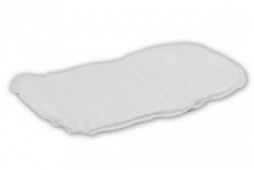 | |||
| Examples | Indications | Advantages | Disadvantages | Contraindications |
|---|---|---|---|---|
Mesorb | Only use on minor wounds or as secondary dressings | Absorbent | Often sticks to wound surface and disrupts wound bed when removed | Light to moderate exuding wounds |
| Natural polysaccharide from seaweed that turns to a gel on contact with wound fluid. The way the fibres function, the exudate is absorbed into the entire dressing – it is very absorbent – and the resulting gel maintains a moist wound contact interface. But because the entire dressing will fill with fluid, it needs to be cut to the size of the wound and not be allowed to sit on the periwound skin where it could cause maceration. If it is allowed to dry it can stick to the wound bed and be very difficult/traumatic to remove. The alginates which are Calcium Alginates are often used to assist in stopping bleeding. If you have stopped a bleed with it, either attempt to remove it while it is still moist or leave it for several days and even then be very careful, otherwise removing it will start the bleeding again. These are often used on a donor site to help stop the bleeding and then are left in place for weeks! | 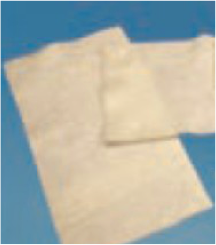 | |||
| Examples | Indications | Advantages | Disadvantages | Contraindications |
|---|---|---|---|---|
Kaltostat | Moderate to high exuding wounds and for wounds with minor bleeding | Forms gel on wound keeping environment moist | May require secondary dressing | Kaltostat not suitable for use in infants less than 12 months |
| Foams are made from a variety of materials, with or without adhesive layer. The aim of the foam is to manage exudate (absorb and evaporate), cushion the area and keep the wound environment warm. Many foams have also been combined with other things to broaden their use such as silicone (Mepilex), surfactants (Polymem), gelling fibres (Aquacel Foam) and various antimicrobials. Due to the varied nature, they amount of moisture they hold to the wound surface will vary; this may impact on which foam you choose for your plan. | 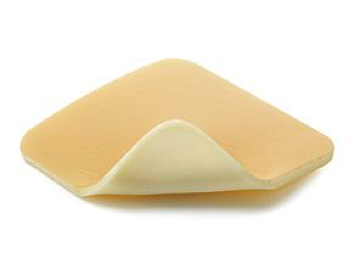 | |||
| Examples | Indications | Advantages | Disadvantages | Contraindications |
|---|---|---|---|---|
Allevyn | Wounds with low to high exudate. | Moist wound environment, highly absorbent and protective Permeable to oxygen and water vapour | Will not debride hard exudate | Dry wounds.Necrotic wounds or hard eschar. |
These are dressings that contain a gelling agent (like sodium carboxymethylcellulose and gelatin). They absorb any wound exudate and hold it, maintaining a very high moisture interface with the wound because of their lower vapour transfer rate(1). However, they can not handle high amounts of exudate (the amount they can manage will be directly proportional to the thickness of the hydrocolloid) and when the exudate exceeds the capacity of the dressing it will leak out the side. | 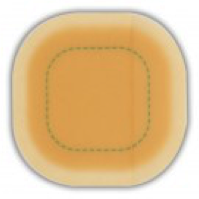 | |||
| Examples | Indications | Advantages | Disadvantages | Contraindications |
|---|---|---|---|---|
Duoderm | Not for highly exuding wounds but can be quite versatile otherwise, especially in combination with other dressings | Waterproof | Avoid on high exudate wounds | Dirty wounds |
The absorbent acrylic is another type of dressing that has similar properties and should be treated as a hydrocolloid. It’s halfway between a clear film and a hydrocolloid. It appears to have the higher vapour transfer rate of the film (and is see-through) but it also mildly absorbent.
| Composed mainly of water in a complex network or fibres (like alginate fibres) or an insoluble polymer that keeps gel intact. The gel can be on it’s own (in a tube) molded into a flexible sheet, or impregnated into a gauze dressings. Water is released into the wound bed to keep the wound moist. Because this contributes moisture you need to be aware of the risk of periwound maceration and take precautions. Also, these gels generally have a short useful life span and will need to be refreshed daily. There are some exceptions to this rule with new versions in combination with antimicrobials and/or longer lasting hydrating properties so be sure to read the manufacturer’s instructions before use. | 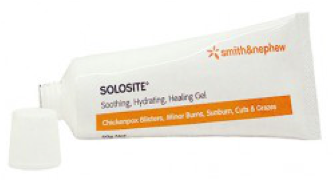 | |||
| Examples | Indications | Advantages | Disadvantages | Contraindications |
|---|---|---|---|---|
Intrasite | Necrotic or sloughy wound | Creates optimal moist environment rehydrating wound bed and removing dead tissue | Potential to macerate surrounding tissue | Moderate to heavily exudating wounds |
| Soft non-woven pad or ribbon dressing made from sodium carboxymethylcellulose fibres. These fibres do not allow the transfer of fluid laterally along the dressing. Therefore, if it is cut larger than the wound (so it covers the wound and the periwound skin) it will encourage the exudate to move directly into the secondary dressing and protect the periwound skin. It does need enough exudate to stay moist though, and if it dries will adhere to the wound bed (particularly at the border with the periwound skin). | 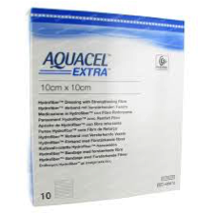 | |||
| Examples | Indications | Advantages | Disadvantages | Contraindications |
|---|---|---|---|---|
Aquacel | Lesions and cavity wounds | Interact with wound drainage to form a soft gel | Secondary dressing needed | Dry and necrotic wounds |
“Ribbon” versions are good for packing, especially if there is a risk of pressure to the cavity or sinus where a gauze packing would not compress/soften and could create a pressure point.
These do not appear to be as prevalent as they used to be. Perhaps we are getting better at managing the cause of the odour with new cleansing agents like Prontosan. The aim of these dressings is to reduce odour and can be done in a few ways:
Depending on the version, these dressings can not be cut. A good rule of thumb is that if it has a sealed edge it can’t be cut. | 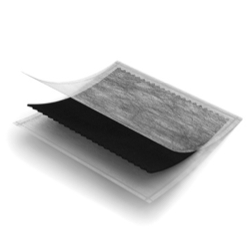 | |||
| Examples | Indications | Advantages | Disadvantages | Contraindications |
|---|---|---|---|---|
Actisorb plus | Malodorous wounds | Mask wound odours | May need a secondary dressing | Dressing not to be cut if it has a sealed border |
Additives can improve existing dressing types, these are things like Silver, Iodine, Hypertonic Saline, PHMB, Chlorhexidine and Honey. Only a few examples are listed below.
| Many types of tulle gras are also impregnated with antimicrobials – these should NOT be used on new surgical sites as antimicrobials have been shown to inhibit healing and a new surgical site should not be contaminated. | 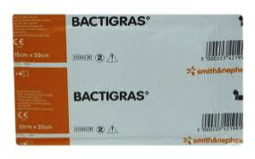 | |||
| Examples | Indications | Advantages | Disadvantages | Contraindications |
|---|---|---|---|---|
Bactigras | Burns | Reduces adhesion to wound | Does not absorb exudate | Allergy |
There is also an interface dressing called Sorbact, which is NOT non-stick (does not have paraffin) and is not impregnated with any chemicals but is still anti-microbial. It uses hydrophobic materials to be attractive to micro-organisms which then migrate into the dressing instead of the wound.
| These are gauze dressings impregnated with hypertonic saline. They encourage removal of exudate and debris from the wound through osmosis. | 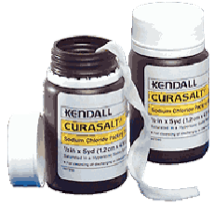 | |||
| Examples | Indications | Advantages | Disadvantages | Contraindications |
|---|---|---|---|---|
Curasalt (Curity) | Wounds with excessive exudate | Wicks moisture away from wounds | May dry the wound out too much | Bleeding wounds or exposed tendon, bone or muscle |
Dressings containing various kinds and doses of silver. If it is the metallic silver, this must be wet to allow the silver anions to enter the wound. Use potable water or water for injection as sodium chloride will de-activate the silver by binding to the silver anions. | 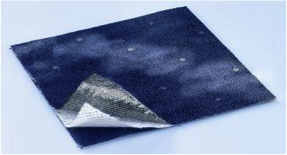 | |||
| Examples | Indications | Advantages | Disadvantages | Contraindications |
|---|---|---|---|---|
Acticoat | Infected wounds | Bacteriocidal – kills pathogens such as MRSA and VRE | Questions remain regarding accumulation toxicity and resistance | Allergy |
Other options like PHMB, iodine (cadexomer and povidone), honey and surfactants have not been discussed here. The main thing to remember is that the additive is on top of an existing generic type, so it inherits the properties of that type. For example, a silver hydrofibre (Aquacel Ag) will be able to manage exudate whereas a silver interface (Atrauman Ag) will not. Find out what the additive is expected to do by reading both the manufacturer’s recommendations and also doing some research for non-biased results (if possible) that show it can be used successfully in your patient population. And, as always, consult with the patient on preference as well.
A good reference is the QUT Champions for Skin Integrity Wound Dressing Guide.
1. Wu, P., et al., Water vapour transmission rates in burns and chronic leg ulcers: influence of wound dressings and comparison with in vitro evaluation. Biomaterials, 1996. 17: p. 1371-1377.
© 2015 Wound Care Resource All rights reserved | Web template modified from W3layouts
